


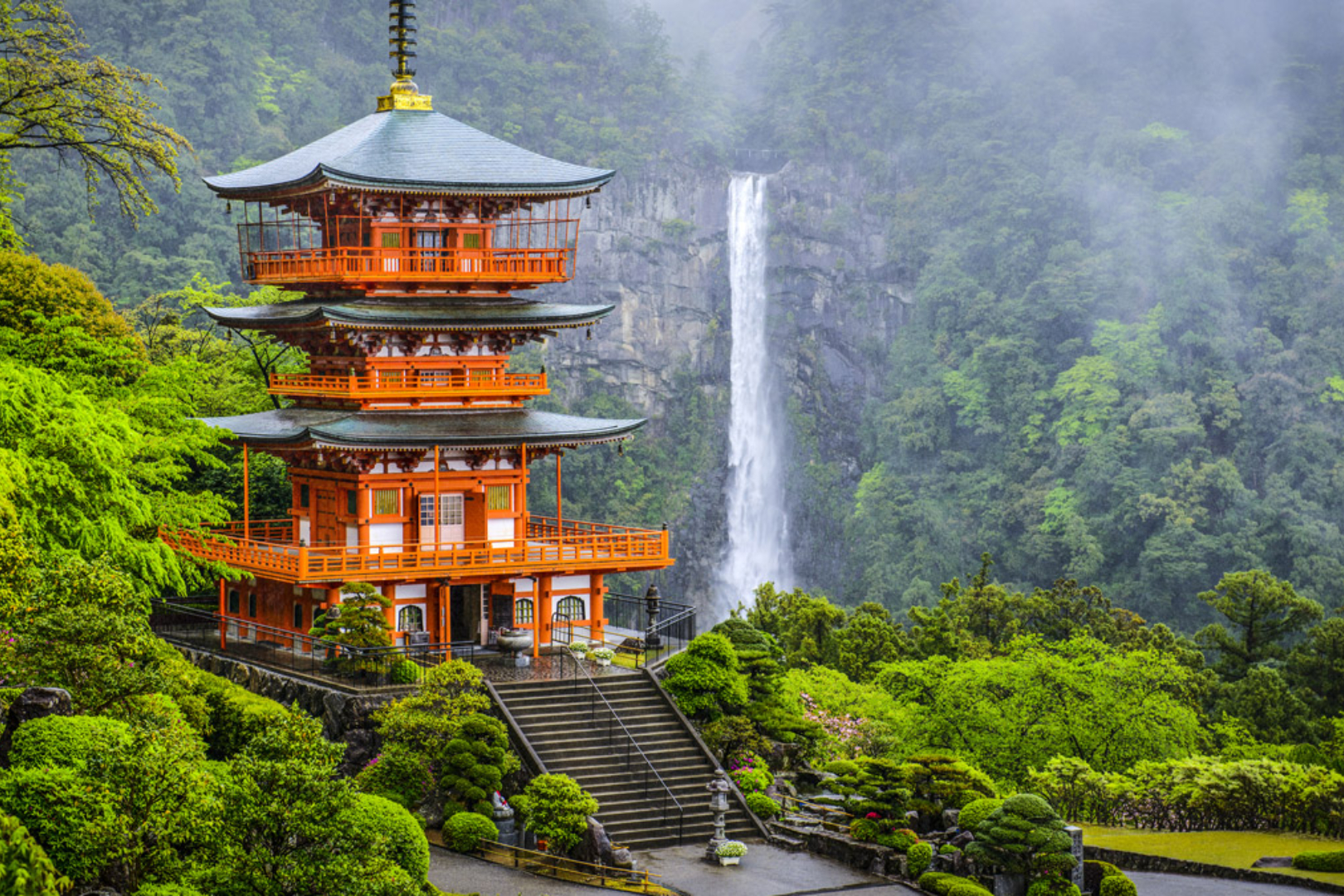
Japan is a country where ancient traditions and modern life exist side by side. Among its most fascinating cultural treasures are the traditional temples and shrines in Japan, found everywhere from the historic streets of Kyoto to the peaceful forests of Nara.
These sacred places are more than beautiful tourist attractions. They offer a glimpse into Japanese history, architecture and spiritual traditions. Some are surrounded by gardens and mountains, while others stand in the middle of lively cities.
Whether you are visiting Japan for the first time or returning to discover another side of the country, these 13 temples and shrines are worth adding to your itinerary.
1. Fushimi Inari Taisha – Kyoto
Located in Kyoto, Fushimi Inari Taisha is one of Japan’s most recognizable Shinto shrines. It is famous for its long pathways lined with thousands of vibrant red torii gates.
The gates climb the wooded slopes of Mount Inari, creating a memorable walking experience. The further you go, the more peaceful the surroundings become.
For travelers interested in Japanese culture, Fushimi Inari offers a wonderful introduction to the visual traditions of Shinto shrines.
2. Kiyomizu-dera – Kyoto
Perched on the hills of eastern Kyoto, Kiyomizu-dera Temple combines historic architecture with beautiful views over the city.
The temple is particularly attractive during spring and autumn, when the surrounding vegetation adds seasonal colors to the landscape.
Its location also makes it easy to combine a temple visit with a walk through Kyoto’s traditional neighborhoods.
3. Kinkaku-ji – The Golden Pavilion
Known as the Golden Pavilion, Kinkaku-ji is one of Kyoto’s most famous landmarks. Its upper floors are covered in gold leaf and reflected in the pond surrounding the pavilion.
The combination of architecture, water and gardens creates a striking scene. The temple is especially photogenic when the weather is clear.
Although the current pavilion is a reconstruction, the site remains an important part of Kyoto’s historical landscape.
4. Senso-ji – Tokyo
While Tokyo is known for skyscrapers and technology, the city also preserves important historic temples. Senso-ji in Asakusa is one of the best-known examples.
The approach to the temple passes through the famous Kaminarimon Gate and Nakamise shopping street. The area combines religious heritage with traditional shops and local atmosphere.
It is an excellent stop for travelers who want to experience a different side of Tokyo.
5. Todaiji Temple – Nara
Todaiji Temple is one of the highlights of Nara and one of Japan’s most impressive Buddhist sites. Its main hall houses the enormous Great Buddha statue.
The temple forms part of the Historic Monuments of Ancient Nara, a UNESCO World Heritage site. The Great Buddha is approximately 15 meters high and remains one of the city’s most remarkable sights.
A visit to Todaiji can easily be combined with a walk through Nara Park, where deer roam freely.
6. Kasuga Taisha – Nara
Surrounded by the forests of Nara, Kasuga Taisha Shrine offers a completely different atmosphere from the large urban temples.
The approach through the forest and the numerous stone and bronze lanterns create a peaceful setting. The shrine is closely connected to the cultural heritage of ancient Nara.
Its surroundings are particularly appealing to travelers who enjoy combining history, spirituality and nature.
7. Horyuji Temple – Nara Prefecture
For those interested in ancient Japanese architecture, Horyuji Temple is an exceptional destination. The temple and surrounding Buddhist monuments are part of a UNESCO World Heritage site.
The complex is particularly significant because it preserves some of the world’s oldest surviving wooden structures.
A visit here provides a deeper understanding of the early development of Buddhism and architecture in Japan.
8. Itsukushima Shrine – Miyajima
Located on Miyajima Island, Itsukushima Shrine is famous for its large torii gate standing in the sea.
The relationship between the shrine, the water and the surrounding landscape makes this one of Japan’s most memorable sacred sites.
The changing appearance of the site with the tide also gives visitors a different perspective depending on the time of their visit.
9. Nikko Toshogu Shrine – Nikko
In the mountain town of Nikko, Toshogu Shrine stands out for its elaborate decorations and richly detailed architecture.
Unlike the restrained appearance of some Japanese temples and shrines, Toshogu is known for its intricate carvings and colorful details.
The surrounding forests add to the atmosphere and make Nikko an appealing destination for travelers looking beyond Tokyo.
10. Ise Jingu – Mie
Ise Jingu is one of Japan’s most important Shinto shrine complexes. The site is closely connected to the traditions of the imperial family and Japanese Shinto.
The peaceful surroundings and carefully maintained sacred spaces create a very different experience from the country’s busiest tourist attractions.
Visitors should take time to appreciate the natural environment as well as the religious architecture.
11. Koyasan – Wakayama
Koyasan offers more than a single temple visit. This sacred mountain area is home to numerous temples and has a long history connected to Japanese Buddhism.
Travelers can explore temple grounds, forest paths and historic religious sites. Some temples also offer traditional lodging experiences, making it possible to spend more time experiencing the atmosphere of the area.
Koyasan is particularly appealing to travelers looking for a quieter and more reflective experience.
12. Yasaka Shrine – Kyoto
Located near Kyoto’s famous Gion district, Yasaka Shrine is an important cultural landmark in the city.
The shrine is also closely associated with the famous Gion Festival, one of Kyoto’s major traditional events. During the festival period, the area takes on a particularly lively atmosphere.
Its central location makes Yasaka Shrine an easy addition to a Kyoto sightseeing itinerary.
13. Hasedera Temple – Nara
Hasedera Temple is another beautiful destination for travelers exploring Nara. Located in a scenic setting, the temple is particularly attractive during the seasons when flowers and autumn foliage transform the surrounding landscape.
Nara offers numerous temples and shrines beyond its most famous landmarks, allowing visitors to explore quieter locations and experience a slower pace of sightseeing.
Temples or shrines: what is the difference?
Although temples and shrines are often visited together, they belong to different religious traditions.
Shinto shrines are associated with Shinto and are traditionally marked by a torii gate at the entrance. Buddhist temples, on the other hand, are associated with Buddhism and commonly feature a temple gate known as a sanmon.
The customs for visitors also differ. At a shrine, visitors traditionally bow, clap twice and offer a prayer. At a Buddhist temple, visitors generally pray without clapping. Respectful and quiet behavior is important at both.
How to enjoy your visit respectfully
Visiting a Japanese temple or shrine is not only about taking photographs. These are active religious and cultural places, so visitors should pay attention to local rules.
Follow signs concerning photography, remain quiet when appropriate and avoid disturbing people who are praying. At some temples, visitors may also need to remove their shoes before entering certain buildings.
Taking a few minutes to observe the surroundings can make the experience much more meaningful.
When is the best time to visit Japanese temples and shrines?
Japan’s temples and shrines are beautiful throughout the year. However, each season offers a different atmosphere.
Spring brings cherry blossoms, while autumn transforms temple gardens and mountain landscapes with colorful foliage. Summer can offer lush greenery and traditional festivals, while winter brings quieter surroundings and, in some regions, snow-covered architecture.
Nara, for example, is known for seasonal landscapes around its historic temples and mountain areas.
Discover the spiritual side of Japan
From the red torii gates of Fushimi Inari to the immense Buddha of Todaiji and the peaceful forests surrounding Nara’s sacred sites, Japan’s temples and shrines offer countless ways to discover the country’s heritage.
They also show how closely Japanese culture, architecture and nature have developed together over centuries. For a first trip to Japan, including several of these places in your itinerary can provide a deeper perspective on the country beyond its modern cities.
Whether you choose famous landmarks or quieter temples away from the main tourist routes, take your time, respect the traditions and allow yourself to enjoy the atmosphere. That is often where the most memorable part of the journey begins.