


Summer can change the way we eat. Hot temperatures often make heavy meals less appealing. At the same time, people taking GLP-1 medications may experience reduced appetite or feel full sooner.
For that reason, GLP-1 friendly summer meals can focus on smaller portions, protein-rich ingredients and refreshing foods. Simple salads, yogurt bowls, smoothies and light wraps can provide useful nutrients without feeling overly heavy.
The goal is not to follow a strict list of “approved” foods. Instead, it is about building balanced meals that fit your appetite, preferences and nutritional needs.
What makes a summer meal GLP-1 friendly?
There is no single GLP-1 diet that works for everyone. However, some eating habits may make meals easier to manage when appetite is reduced.
Protein is particularly useful because it helps make smaller meals more satisfying. Vegetables, fruits, whole grains and other fiber-rich foods can also contribute important nutrients.
In addition, foods with a high water content can be appealing during hot weather. Fresh fruits, vegetables, yogurt and smoothies can therefore fit naturally into a summer eating routine.
Why lighter meals can work well during summer
Large and rich meals can feel uncomfortable when temperatures rise. Therefore, many people naturally prefer fresh and lighter options.
Cold or room-temperature meals can also be easier to prepare. You can assemble them quickly without spending a long time cooking in a hot kitchen.
For people using GLP-1 medications, this approach can be especially practical when appetite is lower than usual. Smaller meals can help you focus on the nutritional quality of what you eat.
15 GLP-1 friendly summer meal ideas
1. Grilled chicken and cucumber salad
Combine grilled chicken with cucumber, tomatoes, leafy greens and a light yogurt dressing. Fresh herbs and lemon juice add plenty of flavor without making the meal feel heavy.
This combination provides protein alongside vegetables and can be adjusted to your appetite.
2. Greek yogurt and berry bowl
Greek yogurt makes an easy base for a refreshing summer bowl. Add fresh berries, a small amount of oats and some seeds for extra texture.
You can prepare it in just a few minutes. It also works well as breakfast, a snack or a smaller meal.
3. Tuna and avocado wrap
A whole-grain tortilla filled with tuna, avocado, lettuce and cucumber creates a simple meal for warm days.
Use a smaller wrap if your appetite is limited. You can also add lemon juice or fresh herbs instead of a heavy sauce.
4. Shrimp and vegetable salad
Shrimp provides a convenient source of protein for a light summer salad. Combine it with lettuce, cucumber, tomatoes and shredded carrots.
A dressing made with lemon juice, olive oil and herbs keeps the flavors fresh and simple.
5. Chicken and chickpea bowl
Combine cooked chicken with chickpeas, tomatoes, cucumber and leafy greens. Add a spoonful of plain yogurt with lemon for a creamy dressing.
This bowl brings together protein, fiber and vegetables in one convenient meal.
6. Cottage cheese and fresh fruit
Cottage cheese can be paired with peaches, berries, melon or other seasonal fruits. Add a few nuts or seeds if you want more texture.
This combination works particularly well when you want something cool and easy to prepare.
7. Cold salmon and quinoa bowl
Cooked salmon can be served chilled or at room temperature with quinoa, cucumber and fresh greens.
Add lemon, dill or parsley for a bright summer flavor. Keep the portion comfortable for your appetite.
8. Turkey and vegetable roll-ups
Roll lean turkey slices around cucumber, bell pepper or leafy greens. You can add a small amount of cheese or hummus for additional flavor.
These roll-ups require very little preparation. They are also convenient when you want a light lunch.
9. Mediterranean lentil salad
Lentils provide plant-based protein and fiber. Combine them with tomatoes, cucumber, parsley and a small amount of feta cheese.
A lemon-based dressing keeps the salad fresh. Serve it chilled for an easy summer meal.
10. Egg and avocado toast
Whole-grain toast topped with a boiled or poached egg and avocado can make a simple breakfast or light lunch.
Add tomatoes, herbs or a squeeze of lemon for extra freshness. If a full serving feels too large, start with a smaller portion.
11. Berry protein smoothie
A smoothie can be useful when solid food feels less appealing. Blend Greek yogurt or another protein-rich ingredient with berries and milk or a suitable alternative.
Add a small amount of oats or chia seeds if you want additional fiber. Drink it slowly rather than consuming it quickly.
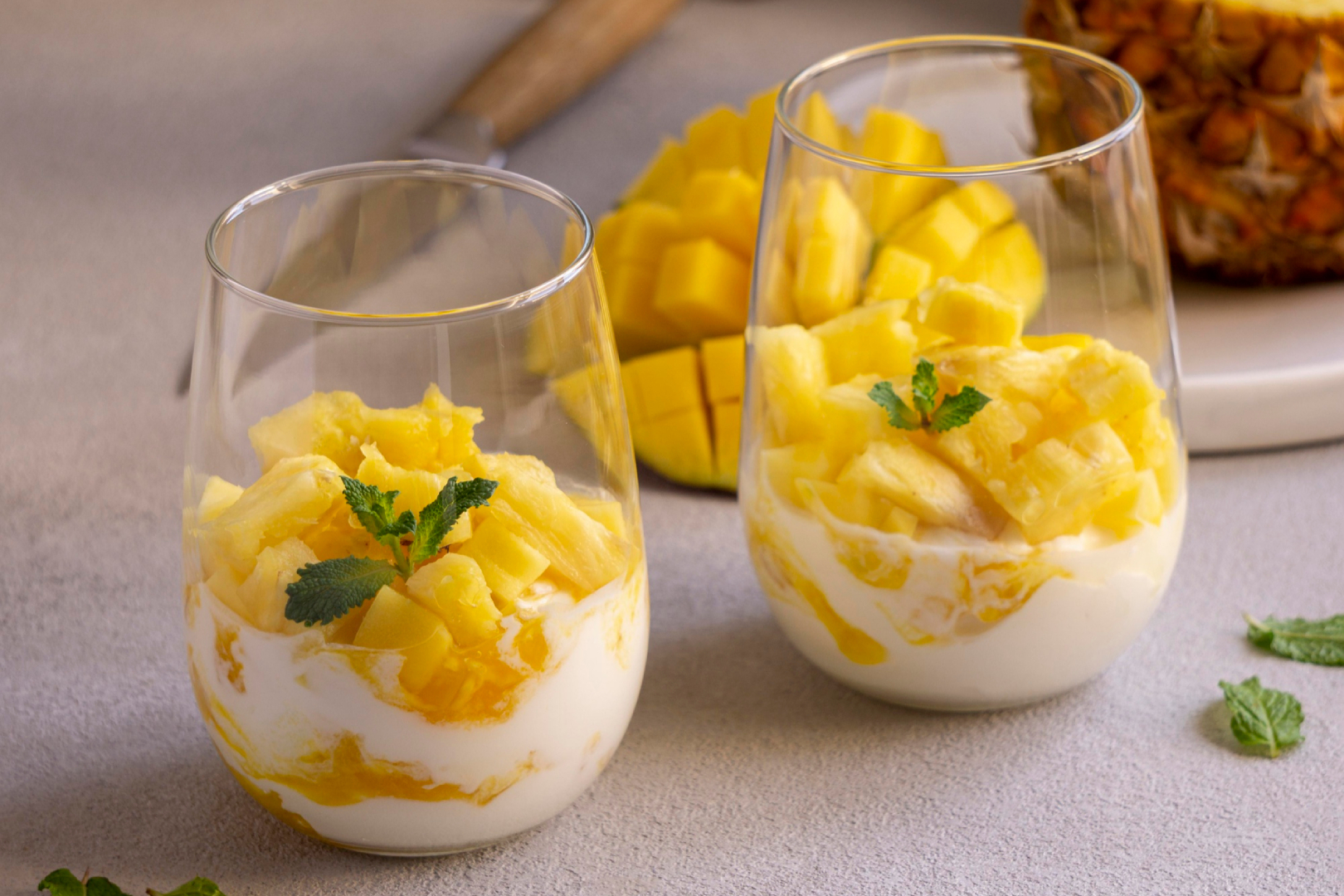
12. Mango and yogurt bowl
Fresh mango pairs naturally with plain Greek yogurt. Add a few chia seeds or crushed nuts for texture.
The result is cool, refreshing and easy to portion. It can work as breakfast or as a light afternoon option.
13. Chicken lettuce cups
Use crisp lettuce leaves instead of a traditional tortilla. Fill them with shredded chicken, cucumber, carrots and a light yogurt-based sauce.
These lettuce cups are fresh and crunchy. They can also be prepared ahead of time for a quick meal.
14. Watermelon and feta salad with chicken
Watermelon brings freshness and hydration to a summer salad. Combine it with grilled chicken, cucumber, a small amount of feta and fresh mint.
The sweet and savory combination makes this an interesting alternative to a traditional salad.
15. Tropical protein smoothie
Blend pineapple, mango, yogurt or milk and a protein-rich ingredient for a tropical drink.
Frozen fruit can make the smoothie naturally cold without requiring much preparation. Keep added sugars modest, especially if the fruit already provides plenty of sweetness.
How to build a balanced summer meal
You do not need a complicated recipe every time you eat. A simple meal formula can make summer food easier to plan.
Start with a protein source
Chicken, fish, eggs, Greek yogurt, cottage cheese, beans and lentils are examples of protein-rich foods.
When appetite is limited, starting with protein can help you make the most of a smaller meal.
Add colorful vegetables or fruit
Fresh produce adds vitamins, minerals, fiber and water. Choose seasonal options that you enjoy and can tolerate comfortably.
Cucumber, tomatoes, berries, melon, peaches and leafy greens are particularly easy to incorporate into summer meals.
Include carbohydrates according to your needs
Whole grains, potatoes, oats, beans and fruit can provide carbohydrates and other nutrients. The right amount depends on your individual needs and overall diet.
There is no need to eliminate carbohydrates simply because you are trying to eat lighter during summer.
Keep summer meals simple
Meal preparation does not need to take hours. Several convenient ingredients can help you create balanced meals quickly.
Pre-washed greens, canned beans, canned tuna, cooked chicken, frozen fruit and plain yogurt can all save time.
For example, combine cooked chicken with salad greens, cucumber and tomatoes. Add yogurt and lemon, and you have a simple meal in minutes.
This approach can be particularly useful when your appetite is low and you do not want to prepare a large meal.
Hydration matters during hot weather
Staying hydrated is important throughout the summer. Water should remain the main source of fluids for most people.
Food can also contribute to overall fluid intake. Fruits, vegetables, yogurt and smoothies contain water and can complement your regular drinks.
However, do not rely only on food for hydration. Make a habit of drinking regularly throughout the day, especially during hot weather or physical activity.
What if your appetite is very low?
Some people taking GLP-1 medications may experience significant appetite reduction. In that situation, forcing a large meal may not feel comfortable.
Instead, smaller meals may be easier to manage. Focus on foods that provide useful nutrients in a manageable portion.
Protein-rich foods can be especially valuable. Soft or cool options may also feel more comfortable for some people.
If nausea, vomiting, persistent digestive symptoms or difficulty eating continue, speak with your healthcare professional. Your individual treatment and nutritional needs should guide your eating plan.
Make your summer meals work for you
Eating well during summer does not require complicated recipes. Simple ingredients can create nutritious meals that are refreshing and easy to portion.
From chicken salads and tuna wraps to yogurt bowls and fruit smoothies, there are many ways to build GLP-1 friendly summer meals.
The most important approach is to listen to your appetite while still paying attention to nutrition. Choose foods that provide protein, produce, fiber and fluids when appropriate.
Above all, remember that there is no universal GLP-1 meal plan. Your healthcare professional or registered dietitian can help you adapt your diet to your medication, health goals and individual needs.