


Looking for a destination that combines beaches, history, culture and adventure? There are many reasons to visit Tunisia. This North African country offers much more than seaside resorts and all-inclusive hotels.
From the Mediterranean coast to the Sahara Desert, Tunisia brings together a surprising variety of landscapes and experiences within a relatively small territory. Visitors can explore ancient ruins, wander through colorful medinas, discover desert villages and enjoy flavorful local cuisine.
Here are five reasons why Tunisia deserves a place on your travel list.
1. Discover Tunisia’s Diverse Landscapes
Although Tunisia is one of the smallest countries in the Maghreb, its landscapes are remarkably varied. A trip across the country can reveal completely different environments within a short distance.
In the north, green hills, forests and Mediterranean landscapes create a refreshing atmosphere. Further south, the scenery becomes increasingly dry and dramatic, eventually leading to the vast landscapes of the Sahara.
Tunisia is also home to beautiful oases, salt lakes, rocky canyons and golden sand dunes. The Chott el-Jerid, for example, offers an impressive desert landscape where the colors and reflections change throughout the day.
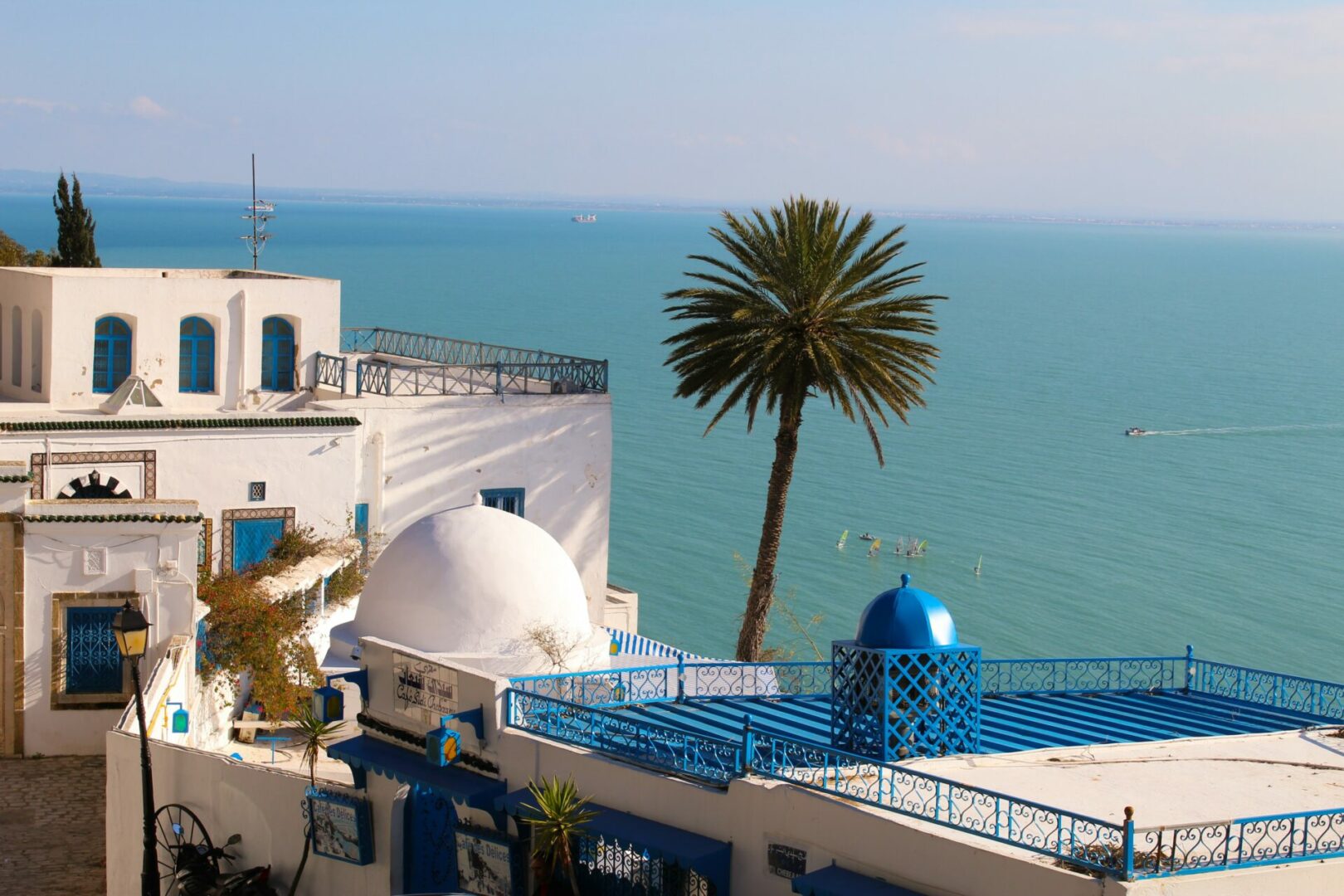
The country’s traditional architecture adds another dimension to this diversity. White-and-blue villages, historic medinas and desert settlements provide a completely different atmosphere from the coastal resorts.
Whether the goal is to relax, explore nature or discover unusual landscapes, Tunisia offers plenty of opportunities.
2. Enjoy Its Sunny Mediterranean Coast
Tunisia has long been known for its Mediterranean coastline. With its sunny climate, sandy beaches and clear waters, the country remains an attractive destination for travelers looking for a relaxing seaside holiday.
Popular destinations include Hammamet, Monastir and Djerba. These areas combine beaches with hotels, restaurants, cultural attractions and activities for visitors.
However, Tunisia’s coastline is not limited to major tourist resorts. Travelers can also discover quieter areas and smaller coves, particularly along sections of the northern coast.
Places such as Cap Serrat offer a more natural setting, while Sidi Bou Said combines Mediterranean scenery with distinctive white-and-blue architecture.
The sea also provides opportunities for outdoor activities. Depending on the location and conditions, visitors can enjoy swimming, snorkeling, diving and other water sports.
3. Explore Its Historical and Archaeological Sites
Another important reason to visit Tunisia is its extraordinary historical heritage. The country’s history stretches back more than 3,000 years and includes influences from several civilizations.
One of the best-known historical sites is Carthage, the ancient city that played a major role in Mediterranean history. Its archaeological remains offer an insight into the importance of the ancient Punic and Roman worlds.
Dougga is another remarkable destination. Located in northern Tunisia, this exceptionally well-preserved ancient city contains temples, theaters, streets and other Roman-era remains.
History lovers can also visit El Jem, home to one of the most impressive Roman amphitheaters in North Africa. Its monumental structure provides a striking reminder of the region’s Roman past.
The historic city of Kairouan is another essential stop. Known for its religious and architectural heritage, it is home to the Great Mosque and historic water cisterns.
Other places worth exploring include the Medina of Tunis, the ancient synagogue of Djerba and the traditional ksour found in southern Tunisia. Around Tataouine and Matmata, visitors can also discover distinctive desert architecture and landscapes associated with the filming of the Star Wars movies.
4. Taste Delicious Tunisian Cuisine
Traveling through Tunisia also means discovering a rich and flavorful cuisine. Tunisian food combines Mediterranean and North African influences, with ingredients such as olive oil, vegetables, garlic, spices and harissa playing an important role.
For those who enjoy spicy dishes, Tunisian cuisine offers plenty of exciting flavors. However, the country’s culinary traditions include many milder specialties as well.
Couscous is one of the most famous Tunisian dishes. It can be prepared with vegetables, meat or fish, depending on the region and recipe.
Another popular specialty is brik, a thin pastry filled with ingredients such as egg and tuna before being cooked until crisp. It is often served as an appetizer or part of a meal.
Tunisian tajine is also worth trying. Unlike the Moroccan dish with a similar name, the Tunisian version is closer to a thick savory omelet, often prepared with eggs, potatoes, meat, cheese or herbs.
Beyond these classics, exploring local markets and traditional restaurants is a great way to discover regional specialties and everyday Tunisian flavors.
5. Experience Tunisian Hospitality
One of the most memorable aspects of Tunisia travel is the country’s culture of hospitality. Visitors can often experience a welcoming atmosphere in hotels, restaurants, cafés, markets and local communities.
Tunisians are generally known for their friendliness and their willingness to share their culture with visitors. Conversations, traditional meals and invitations to discover local customs can all become part of the travel experience.
This hospitality is closely connected to Tunisia’s cultural traditions. Sharing food, offering mint tea or coffee and welcoming guests are important elements of everyday social life.
For travelers, these interactions provide an opportunity to see a side of Tunisia that goes beyond its monuments and landscapes. They can also help visitors understand local traditions and discover the country’s cultural diversity.
Tunisia Offers More Than a Beach Holiday
Tunisia is often associated with sunny beaches and seaside resorts, but the country has much more to offer. Its landscapes range from Mediterranean shores and green northern regions to oases and the vast Sahara.
Its ancient ruins, historic medinas and traditional villages reveal a rich cultural heritage. At the same time, Tunisian cuisine offers plenty of opportunities to discover new flavors, while local hospitality can make a journey even more enjoyable.
From a relaxing stay on the coast to a cultural trip or a desert adventure, Tunisia can accommodate very different travel interests. These five reasons to visit Tunisia show why the country deserves to be explored beyond its most famous tourist destinations.