


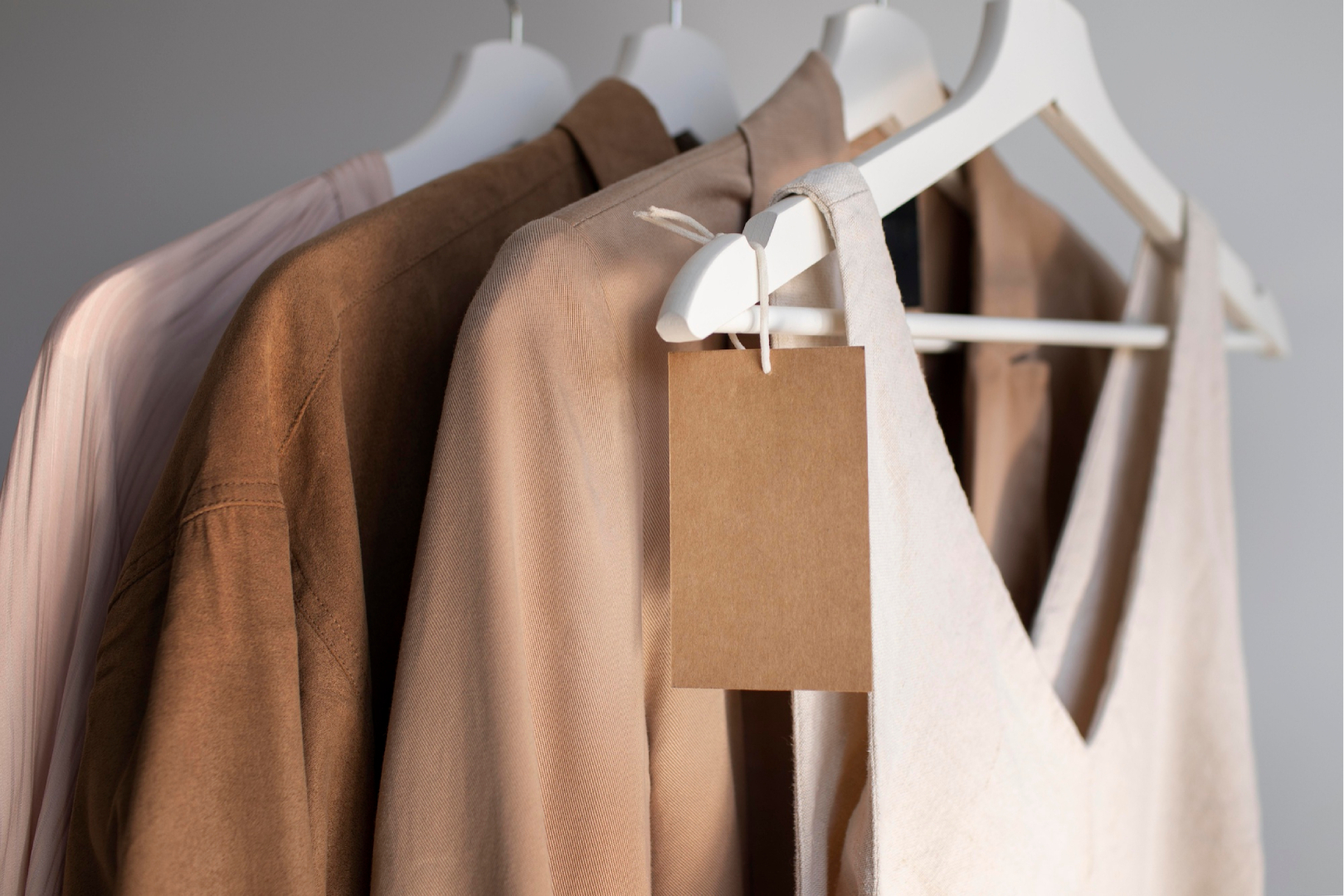
Ethical fashion is becoming an increasingly important topic in the fashion industry. Consumers are paying more attention to how clothes are designed, produced, and distributed. As a result, fashion brands are facing growing expectations around environmental responsibility, working conditions, transparency, and the long-term impact of their products.
What Is Ethical Fashion?
Ethical fashion refers to an approach that considers the social and environmental consequences of clothing production. It encourages brands to make more responsible choices throughout the different stages of the fashion process.
This approach can include fair working conditions, responsible sourcing, reduced waste, better production practices, and greater transparency. It can also encourage consumers to think more carefully about the clothes they purchase and how long they are likely to use them.
Ethical fashion is therefore broader than simply choosing environmentally friendly materials. It involves considering people, resources, production methods, and consumption habits as part of the same process.
Why Is Ethical Fashion Becoming More Important?
The fashion industry has experienced major changes in recent years. The rapid growth of fast fashion has made clothing more accessible and affordable, but it has also increased concerns about waste, resource consumption, and production conditions.
At the same time, consumers have access to more information than ever. Social media, online publications, and brand communications make it easier to discover how products are made and where materials come from.
This greater awareness is encouraging some consumers to look beyond price and appearance. They may also consider the quality, durability, origin, and production process of a garment before making a purchase.
The Environmental Impact of Fashion
Clothing production requires resources such as water, energy, raw materials, and transportation. The scale of global fashion production means that these factors can have a significant environmental impact.
One of the major challenges is textile waste. Clothes that are rarely worn or quickly discarded contribute to a growing volume of unwanted textiles. Producing garments that remain useful for longer can therefore be an important part of a more responsible approach.
Brands can also reduce their environmental impact by improving production processes, limiting unnecessary waste, and considering materials with lower environmental footprints.
However, no single material or production method solves every environmental issue. The overall life cycle of a garment, from raw material to manufacturing, use, and disposal, also needs to be considered.
Fair Working Conditions and Transparency
Ethical fashion also focuses on the people who make clothing. Garment production involves many workers across different stages of the supply chain, from raw material processing to manufacturing and finishing.
Fair working conditions are therefore an important part of responsible fashion. Safe workplaces, appropriate working hours, fair treatment, and adequate compensation are key considerations when evaluating production practices.
Transparency can help consumers better understand these conditions. Brands that provide clear information about their suppliers and production processes can make it easier for customers to evaluate their commitments.
This does not mean that every company has complete control over its entire supply chain. However, greater visibility can encourage brands to identify problems and work toward better practices.
Sustainable Materials and Better Production
Materials play an important role in the development of more responsible clothing. Some brands are exploring recycled fibers, organic materials, responsibly sourced natural fibers, and innovative alternatives.
Choosing materials is only one part of the process, however. Production techniques, dyeing, finishing, packaging, and transportation can also influence the overall impact of a garment.
Better production can also mean creating clothes with greater durability. A well-made garment that can be worn for years may reduce the need to replace it frequently.
The Role of Consumers
Consumers have an important role to play in the evolution of the fashion industry. Every purchase contributes to demand, which can influence the products and practices that brands choose to develop.
One simple approach is to buy fewer items and choose pieces that can be worn regularly. Checking the quality of fabrics, seams, and construction can also help identify garments designed for longer use.
Second-hand shopping provides another option. Buying pre-owned clothing extends the life of existing garments and can offer an alternative to purchasing new products.
Repairing clothes is equally valuable. A damaged button, small tear, or worn component does not necessarily mean that a garment needs to be discarded. Simple repairs can extend its useful life.
How Fashion Brands Are Changing
Many fashion companies are adjusting their strategies in response to changing consumer expectations. Some are introducing recycled materials, improving supply chain transparency, developing repair services, or creating collections designed to last longer.
Other brands are exploring circular fashion models. These approaches aim to keep products and materials in use for as long as possible through reuse, resale, repair, or recycling.
Digital technology can also support these changes. Online resale platforms, product information systems, and digital tools can help consumers discover alternatives to traditional clothing consumption.
Nevertheless, responsible fashion requires more than marketing language. Consumers increasingly expect brands to support their claims with clear and understandable information.
Ethical Fashion and the Future of the Industry
The future of fashion is likely to involve a greater focus on durability, transparency, and more conscious consumption. This does not mean that fashion will become less creative or less accessible.
Instead, designers can explore new ways to combine style with responsible choices. Timeless designs, versatile clothing, innovative materials, and improved manufacturing processes can all contribute to this evolution.
The second-hand and resale markets are also changing the way people think about clothing ownership. A garment can have several users throughout its life rather than being treated as a disposable product.
Ultimately, the transition toward more responsible fashion will involve both businesses and consumers. Brands can improve their production practices, while consumers can make purchasing and care decisions that encourage longer product lifespans.
Making More Conscious Fashion Choices
Adopting a more responsible approach does not require completely changing a wardrobe overnight. Small decisions can make a difference over time.
Choosing versatile pieces, taking care of clothes properly, repairing damaged items, buying second-hand, and avoiding unnecessary purchases are practical steps. Consumers can also research brands and look for clear information about materials and production.
The goal is not to create a perfect wardrobe. Instead, it is about becoming more aware of the relationship between fashion choices, production practices, and consumption.
Conclusion
Ethical fashion is becoming an important part of the conversation surrounding the future of the fashion industry. Environmental concerns, working conditions, transparency, and changing consumer habits are encouraging brands to reconsider how clothing is designed and produced.
For consumers, this movement offers an opportunity to make more informed choices. Buying thoughtfully, caring for clothes, repairing them, and considering second-hand options can help extend the life of garments.
As the industry continues to evolve, ethical fashion can become more than a trend. It can contribute to a fashion culture that places greater value on quality, responsibility, transparency, and long-term use.